This is a slow process, but over a 60 or 90-day BUD period, cumulative light exposure can meaningfully reduce potency
Dietary Sources The body synthesizes glutathione endogenously, so dietary intake is supplementary rather than essential
Your daily food choices can naturally boost your glutathione production: Sulfur-rich foods : Cruciferous vegetables (broccoli, cauliflower, kale) and allium plants (garlic, onions, leeks) contain compounds that support glutathione synthesis Selenium sources : Brazil nuts, brown rice, and mushrooms provide this essential cofactor for glutathione peroxidase activity High-cysteine proteins : Whey protein particularly excels at raising glutathione levels more effectively than other protein sources Precursors like NAC, selenium, and vitamin C We find that N-acetylcysteine (NAC) is perhaps the most effective glutathione booster for many of our patients
4 Pharmacodynamic DDIs Additive or synergistic effects Opposing mechanisms Example: Multiple CNS depressants increasing sedation risk
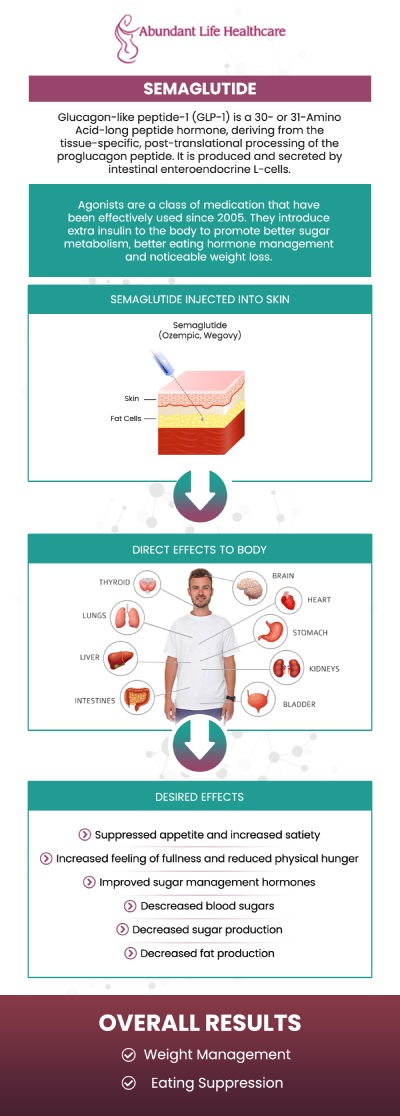
This consultation will typically include: A review of your medical history, especially any history of medullary thyroid cancer (MTC), pancreatitis, or multiple endocrine neoplasia syndrome type 2 (MEN 2)













.jpg)