Antioxidant & Inflammation-Related Research Because GHK-Cu interacts with copper-related antioxidant pathways, it is commonly researched for its interaction with: Oxidative-stress regulation Antioxidant-defense mechanisms Superoxide dismutase (SOD)-related pathways Cellular-resilience signaling Inflammation-related research pathways Physiological-maintenance mechanisms Research commonly investigates how GHK-Cu may interact with oxidative-stress and physiological-maintenance pathways associated with: Healthy-aging research Skin-integrity investigations Recovery-focused regenerative signaling Cellular-protection and resilience pathways Its interaction with antioxidant-support and regenerative signaling pathways has contributed to broader research interest in GHK-Cu within dermal-maintenance, tissue-support, and healthy-aging research models
Clients often describe the sensation as a quick, mild pinch thats easily tolerable
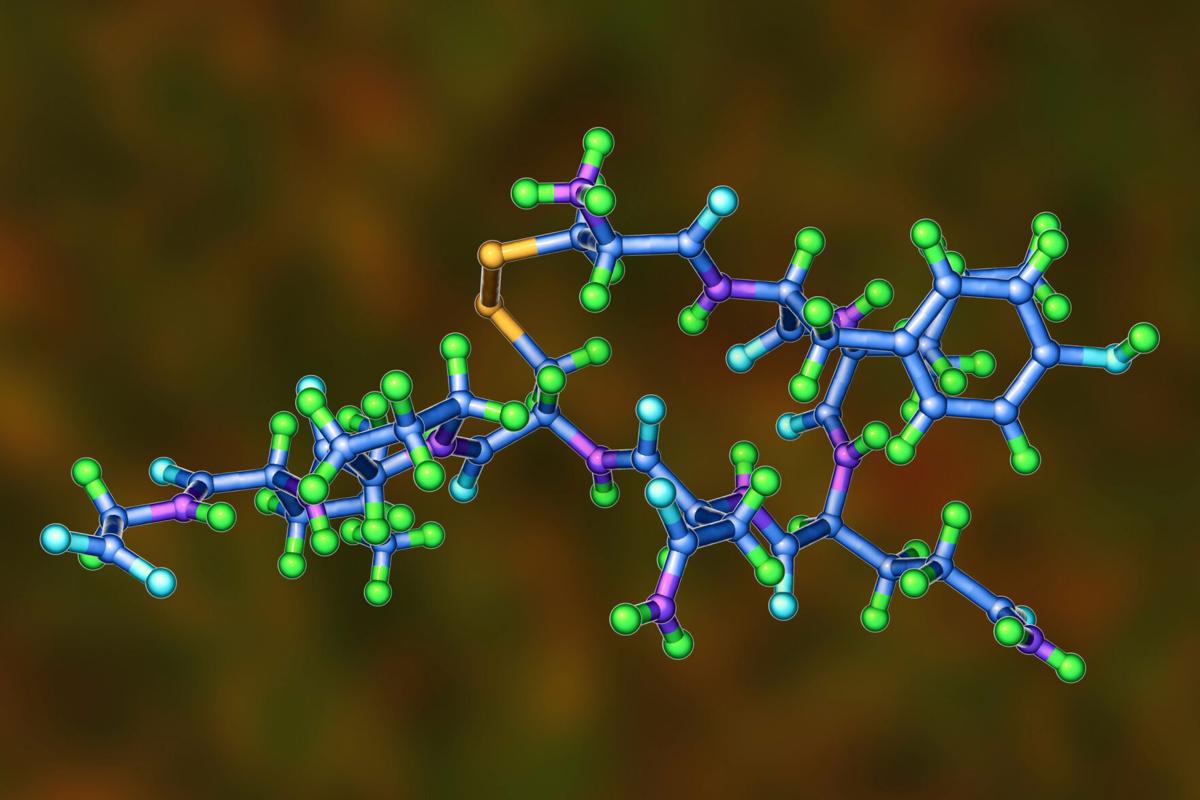
After decades of research he identified the active component , a short tripeptide Gly-His-Lys, naturally bound to Cu
Journal of Medicinal Chemistry (ACS) Bisubstrate inhibitors of NNMT with enhanced activity Related research, protocols, and guides Explore the available research context, protocol variants or comparisons, and practical guides
BPC-157 en musculoesqueltico/GI
















![Gravekeeper's Shaman [MP14-EN214] Super Rare SM08](https://cdn.shopify.com/s/files/1/0757/5211/2443/products/f59de49f-6afd-5a25-afe5-46a7fec50aae.png?v=1683356641)
