(3) The peptide has been researched for its potential action across diverse functions, including tissue repair, pain perception, gastrointestinal regulation, and tendon, ligament, muscle, and bone cell reparations
doi: 10.1002/art.30656 143 ChenQMuramotoKMasaakiNDingYYangHMackeyMet al
Therefore, the inhibition of tetraspanin by the means of nanotechnology-based approach will stop the interaction of glycans and proteins to the schistosomes membranocalyx, because, nanomaterials can preferentially accumulate in the parasite via tetraspanin in an active targeting mechanism thereby, release the encapsulated drugs in a regulated manner
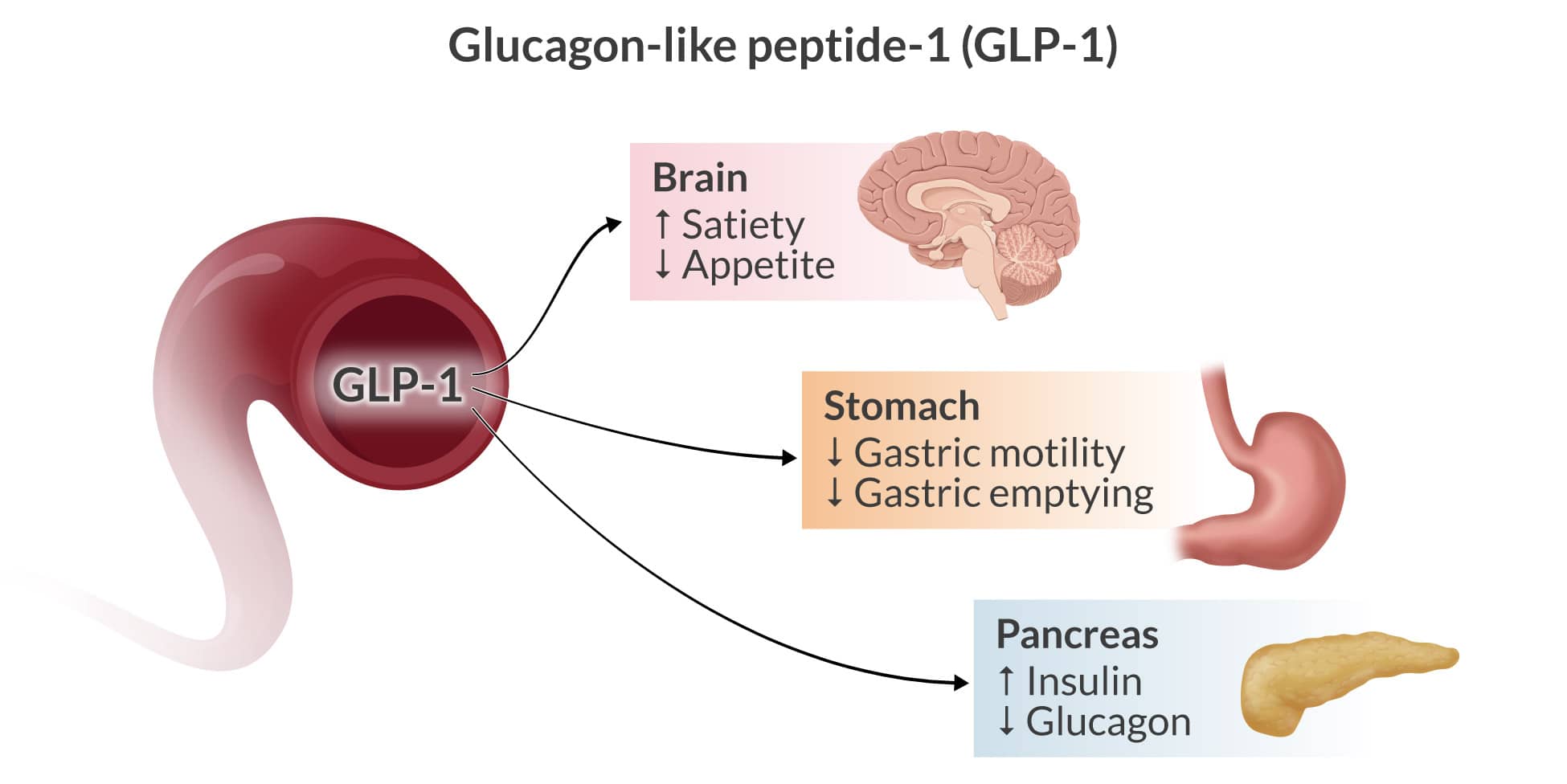
The Precision Peptide Genetic Test examines predispositions in GLP-1R and GIPR pathways, providing context that may help explain individual variation in appetite suppression and metabolic response