Lactate dehydrogenase (LDH) Hemolysate was treated with the LDH reagent [a mixture of reagent 1 (80 mM Tris, 1.6 mM pyruvate, and 200 mM NaCl) and reagent 2 (0.2 mM NADH) at a ratio of 4:1], and incubated at 37C
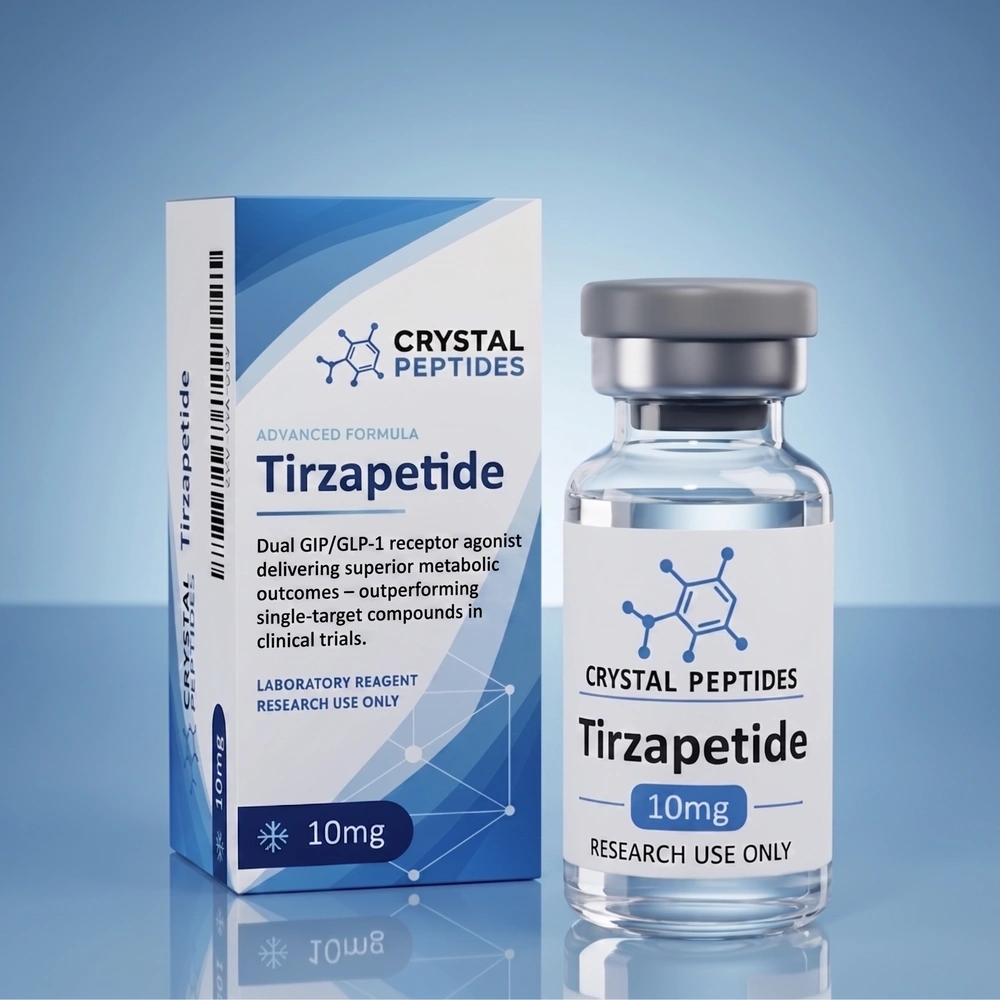
It contains 0.9% benzyl alcohol as a bacteriostatic preservative, allowing for multiple withdrawals from the same vial while helping inhibit bacterial growth

A study published in PMC on oxidative stress in Graves' disease found that: *Hyperthyroidism is associated with increased lipid peroxidation products in thyroid and liver tissue *Glutathione peroxidase activity is upregulated in an attempt to compensate for increased ROS generation - but this compensatory response is often insufficient, leading to net oxidative damage *Antioxidant treatment may help counter some of the clinical manifestations of thyrotoxicosis by reducing ROS-driven cellular damage A review in PMC on oxidative stress in Graves' disease concluded: "These data suggest that increased ROS generation may contribute to generate some clinical manifestations of thyrotoxicosis and that antioxidant treatment may be beneficial." Selenium supplementation - acting through GPx and the glutathione system - has been shown to delay disease progression and improve quality of life in patients with Graves' orbitopathy (the eye complication of Graves' disease), as confirmed by the Frontiers in Endocrinology review

Its mechanisms include: Actin polymerization mobilizes cellular building blocks for tissue repair Cell migration accelerates fibroblast and keratinocyte movement to injury sites Angiogenesis promotes new blood vessel formation via VEGF upregulation Anti-inflammatory reduces IL-1 and TNF- at injury sites TB-500's smaller molecular size gives it excellent tissue distribution throughout the body
5D), demonstrating that R169 is the primary methylation site in TECs