Machine Learning in AF As we move towards a post-genomic, data-driven biology [409], it is increasingly recognised that hypothesis-free methods can play a valuable role in deconstructing complex phenomena
Benefits and Advantages Governed primarily by state boards of pharmacy rather than federal manufacturing regulations Typically meet minimum industry standards set by USP Overall lower regulatory risk compared to 503B May have a greater number of formulation offerings due to lower development costs, allowing for a wider variety of dosing options and formulations Lower initial startup cost compared to starting a 503B Lower operational requirements compared to 503Bs Faster time to market for new compounding services Lower annual fees (primarily state licensing fees, compared to significant annual FDA establishment and potential reinspection fees for 503Bs) Can focus on developing a local business or scaling and targeting the broader market Personalized patient care, tailored formulations for specialized treatment plans and patient needs, consultation opportunities Significant growth and scale-up opportunities Strong revenue potential through niche markets and personalized formulations Challenges and Disadvantages Cant produce batches of CSPs in excess of 250 units Can supply compounded medications only under patient-specific conditions Patients often have to cover medication costs out-of-pocket Not subject to the same batch test release requirements under federal cGMP, but expected to ensure quality through USP- and/or state board of pharmacy-compliant procedures and documentation Can a 503A Pharmacy Purchase Products Compounded by a 503B Facility

This content is for educational purposes only and does not substitute for medical advice
otherwise GLOW covers the same regenerative components
NAD+ is found in all living cells but will decrease with age, stress, toxins, and illness




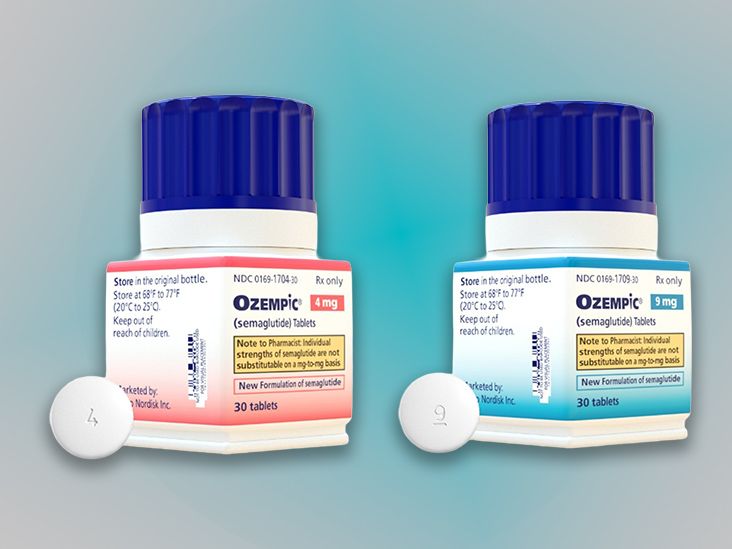
:max_bytes(150000):strip_icc()/Wegovy-pill-pic-590ed53ed3304ba8b2388f9d78886dae.png)