These genes included ACVRL1, ENG, TGFBR2, and SMAD6
Overall, we observed more significantly downregulated genes in response to albumin at 0.5 hpi and 3 hpi, while the amount of significantly up- and downregulated genes was more balanced following prolonged infection (Supplementary Fig
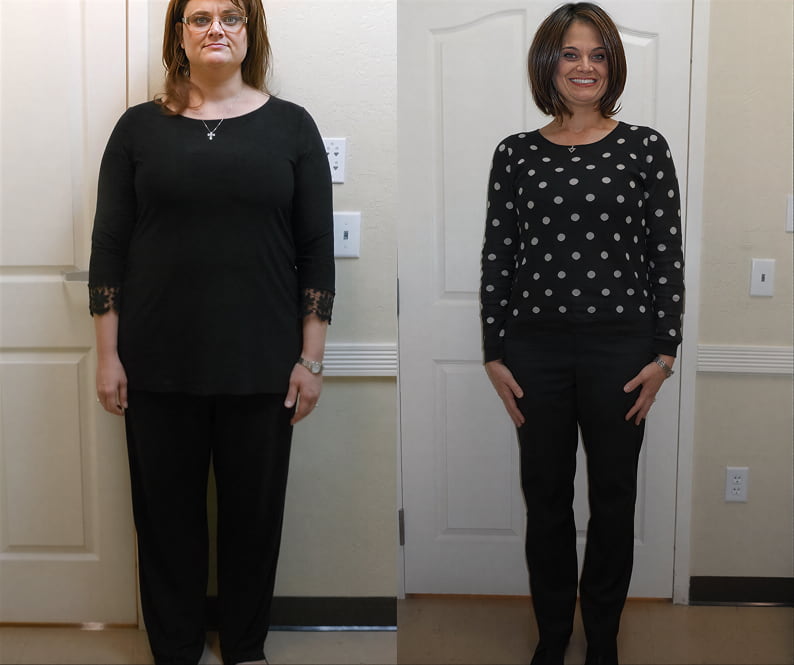
Whos qualified for GLP-1 Bridge program To be eligible, a patient must meet one of these three conditions: Have a body mass index (BMI) of 35 or more Have a BMI between 30-34.99 and at least one of these conditions: Diastolic heart failure (also called heart failure with preserved ejection fraction) Uncontrolled hypertension (high blood pressure) Chronic kidney disease at stage 3a or higher Prediabetes A previous heart attack or stroke Peripheral artery disease with symptoms Or, have a BMI between 27-29.99 and at least one of these conditions: Prediabetes A previous heart attack (also called myocardial infarction) or stroke Blocked arteries in your legs or arms (also called peripheral artery disease) with symptoms Patients are not eligible if they fall into these categories: If they already are covered for a GLP-1 through Part D Have type 2 diabetes, moderate-to-severe sleep apnea, or fatty liver disease, in which case, they may already be covered by their Part D plans This article first appeared on Bridge Michigan and is republished here under a Creative Commons Attribution-NoDerivatives 4.0 International License

Dosing Protocols and Titration Start at a low dose to mitigate side effects (nausea, gastrointestinal upset) and increase gradually per approved or clinically supported protocol
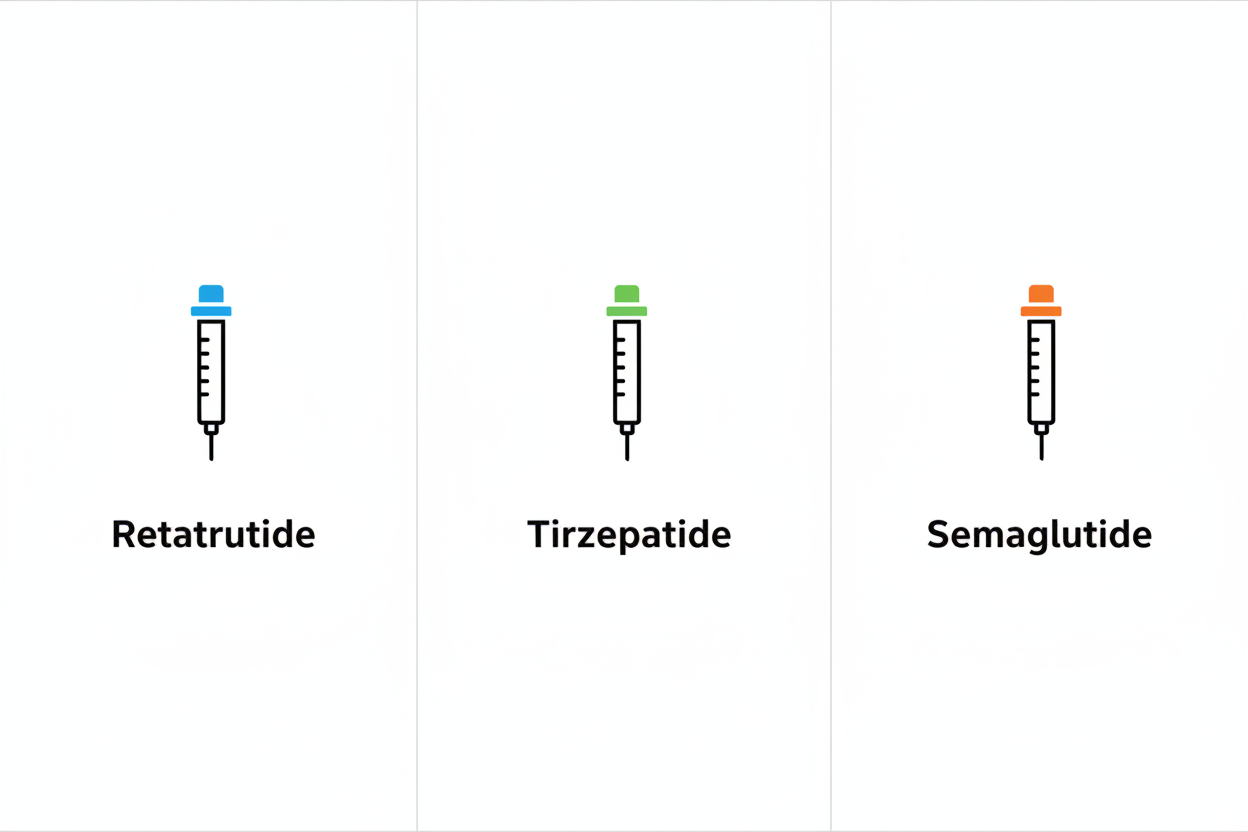
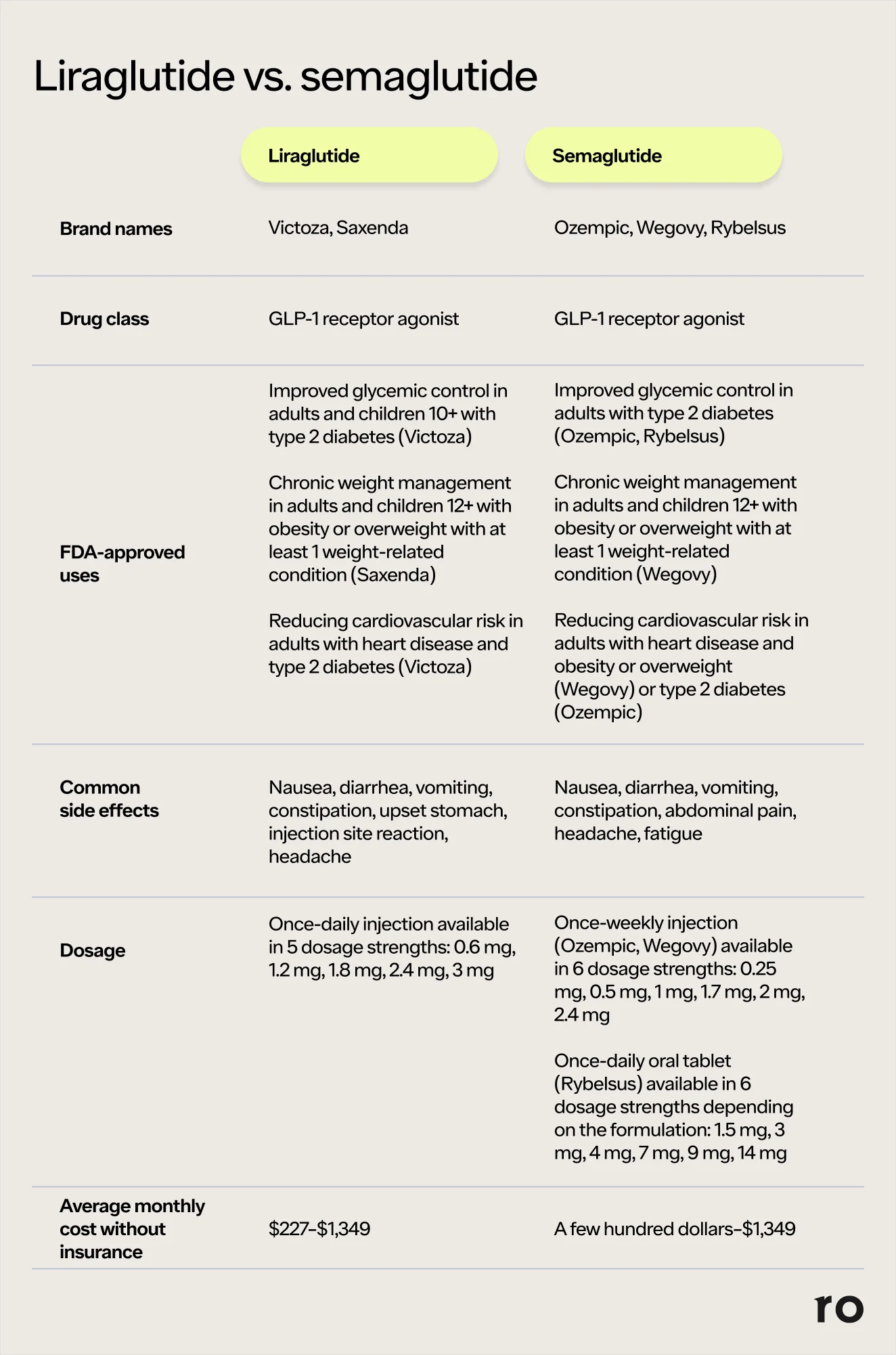
For individuals seeking rapid and significant weight loss, Semaglutide stands out as the more effective option












:max_bytes(150000):strip_icc()/WhatstheDifferenceBetweenOzempicWegovyandMounjaro-illo-a8f5a23fe4914586b4488472fe15f112.png)