Before beginning, calculate the amount of BAC water that best suits your desired dose

The frequency of B12 injections depends on the reason they are prescribed, lab results, and individual response. For documented deficiency, protocols commonly start with more frequent injections (for example, weekly) and then taper to monthly or every 23 months once levels and symptoms stabilize. Some wellness clinics suggest injections every 24 weeks for individuals seeking maintenance of energy levels and mood, provided there is no contraindication and the plan is overseen by a healthcare provider. Regardless of the schedule, ongoing monitoring for symptoms and, when appropriate, periodic blood tests are important to ensure safe and effective supplementation. Benefits of Vitamin B12 Injections B12 injections have a long history of use and are considered safe and effective for treating deficiency when administered correctly. By bypassing the digestive tract and entering the bloodstream directly, injections can quickly increase B12 availability to cells throughout the body. B12 injections can also improve cognitive function and reduce the risk of neurodegenerative diseases

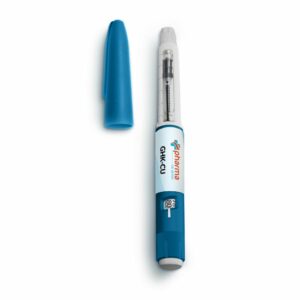
Preclinical Research Dosing Models Animal model studies have explored GHK-Cu at the following ranges: Topical (in vitro/ex vivo): 10100 M concentrations in cell culture media Subcutaneous (rodent models): 15 mg/kg body weight, administered 12x daily Wound healing models: Local application at 110 g/wound site Reconstitution for Research GHK-Cu is typically supplied as a lyophilized powder
Also, ordering domestically shipped peptides from reputable vendors that test for third party verification are going to give you the premium compounds available
June 2026 Update: The Upcoming FDA Review The landscape around BPC 157 is shifting from online forums to formal regulatory scrutiny