This is a life-threatening clinical-dermatological emergency that presents with a variety of symptoms and signs, including skin rash (especially of the exanthema type), which may be accompanied by fever, lymphadenomegaly, hepatitis, hematological (especially atypical lymphocytes and eosinophilia), renal, cardiac, pulmonary and pancreatic changes.1 The term DRESS was initially proposed by Bocquet et al., in 1996, in a review article on the drug hypersensitivity syndrome, which had been previously described under several different terms or synonymies, such as dapsone syndrome, anticonvulsant hypersensitivity syndrome, hydantoin syndrome, and allopurinol hypersensitivity syndrome, depending on the pharmacological agent involved, throughout the 20th century.2 The first case description compatible with DRESS was reported by Myers et al., in 1937
Low-intensity movement taps into fat stores without spiking hunger
The peptide's biological activity in research models depends on its 1:1 chelation of a copper(II) ion
Thymosin Beta-4 is a naturally occurring 43-amino-acid peptide produced primarily by the thymus gland and found in almost every cell in the human body, with the highest concentrations in platelets and wound fluid
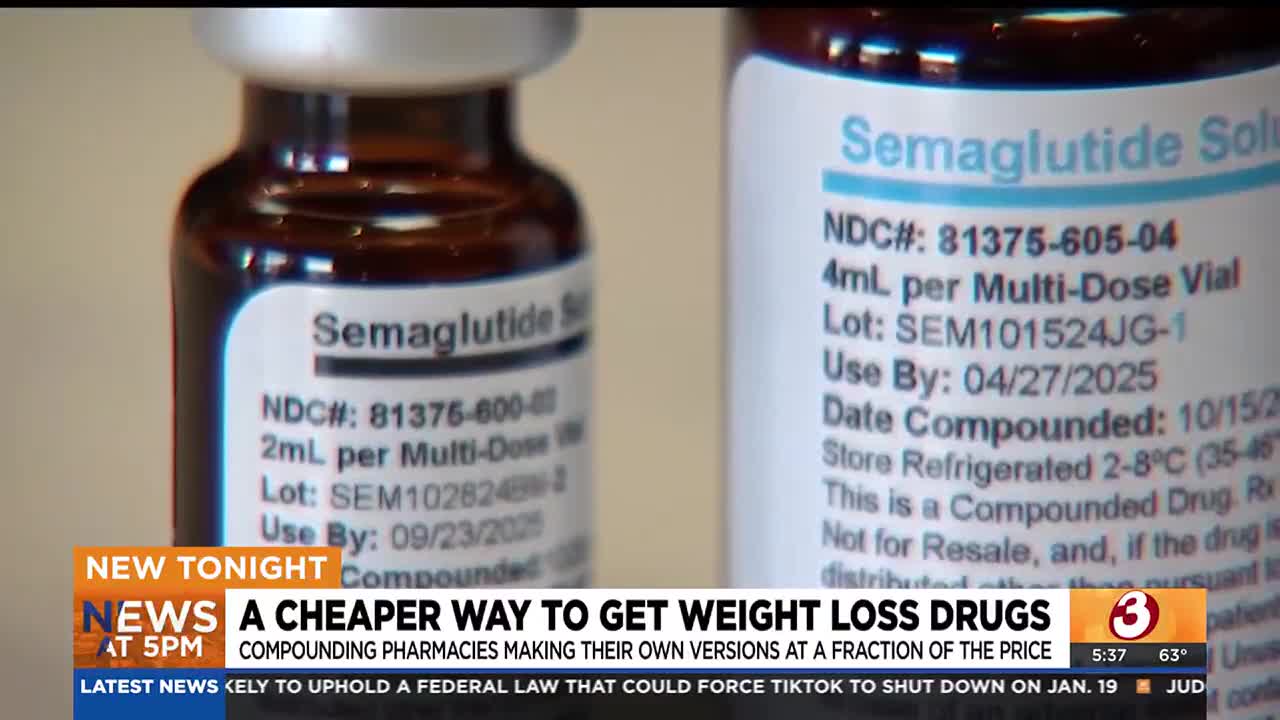
WEGOVY (semaglutide) tablets, for oral use [package insert]













![Perko Fold Down All-Round Frosted Globe Pole Light - Horizontal Mount - White [1634DP0CHR] Brand_Thetford Marine](https://cdn.shopify.com/s/files/1/0559/7800/0581/products/73275XL.jpg?v=1617444418)


