KPV: The Anti-Inflammatory Tripeptide From -MSH KPV is the quietest and least-studied of the four, and also the one whose evidence base is most clearly labeled preclinical only. It is a tripeptide lysine-proline-valine corresponding to the C-terminal three residues (positions 1113) of -melanocyte-stimulating hormone
Quercetin and other flavonoids are known to behave as mild prooxidants resulting in the upregulation of protective genes, such antioxidant enzymes, glutathione, and cytoprotective enzyme Heme Oxygenase HO-1 mediated by activation of the Nuclear factor erythroid 2-related factor 2 (NRF2), a transcription factor upregulating antioxidant response, expression of antioxidant enzymes, and cytoprotective proteins (Ma and He 2012)
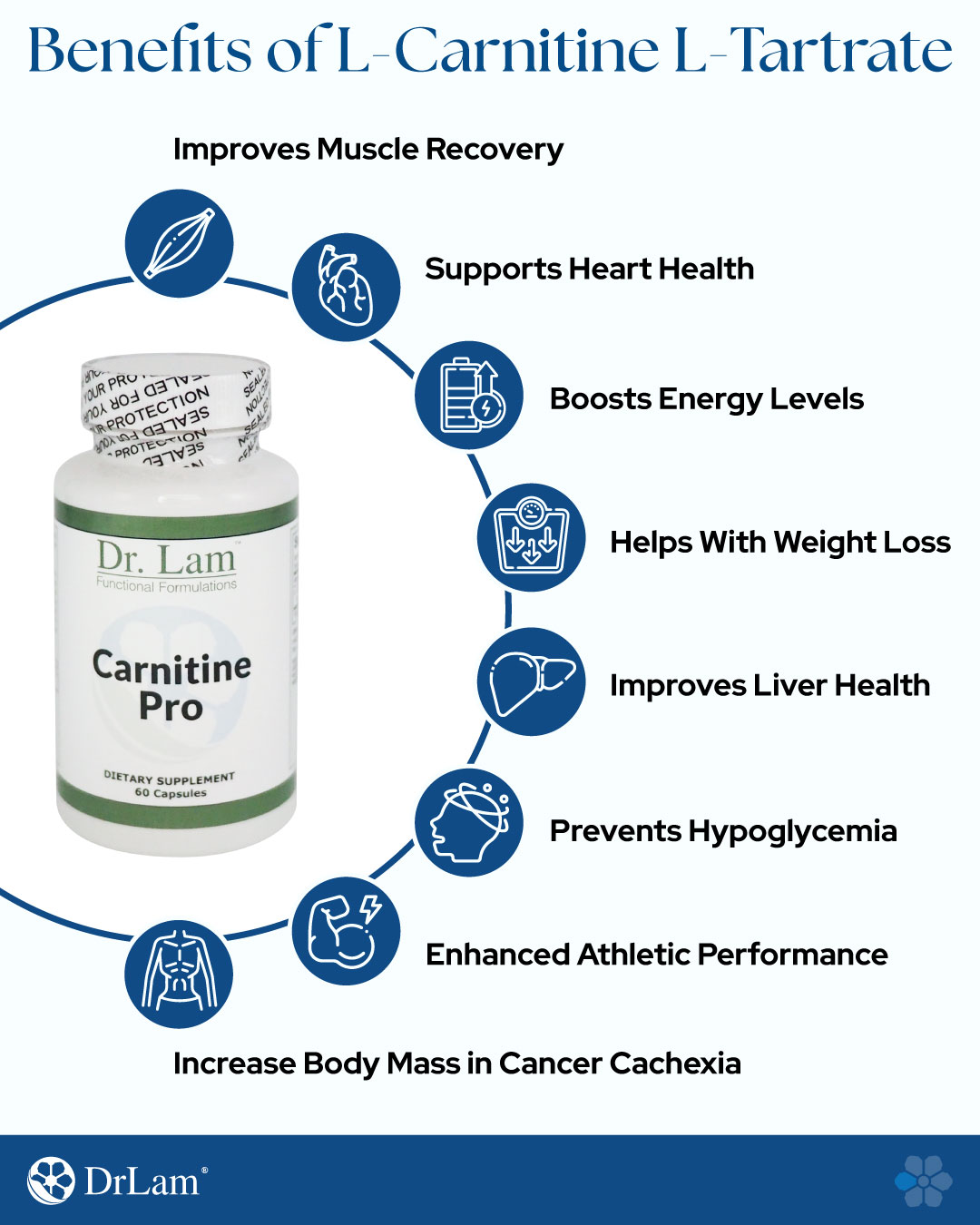
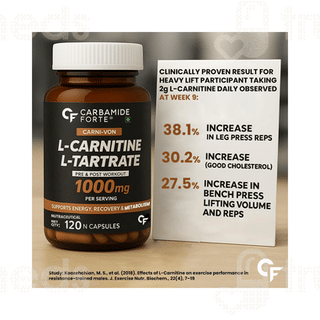
CLICK HERE to learn more about L-Carnitine
albicans and influence fungal virulence (Lu et al., 2 production was decreased while prostacyclin and thromboxane production were increased in hypoxia (Blumenstein et al., 2 production in macrophages was significantly reduced and that in urine, the level of PGE 2 in the NOS deficient groups was decreased by 78% compared to the control groups (Marnett et al., 2 induced by LPS (Devaux et al., 2 via COX-2-independent mechanisms
Opportunistic pathogens were present in both healthy and diseased uteri, but healthy individuals exhibited higher microbial heterogeneity and richness (Table 1)