Glutathione then supports results by improving the internal environment in which the skin heals and renews
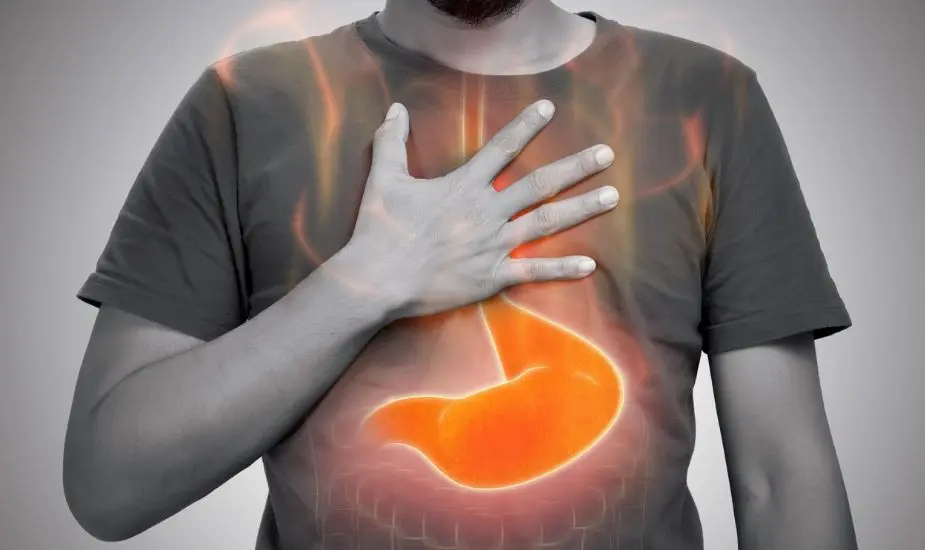
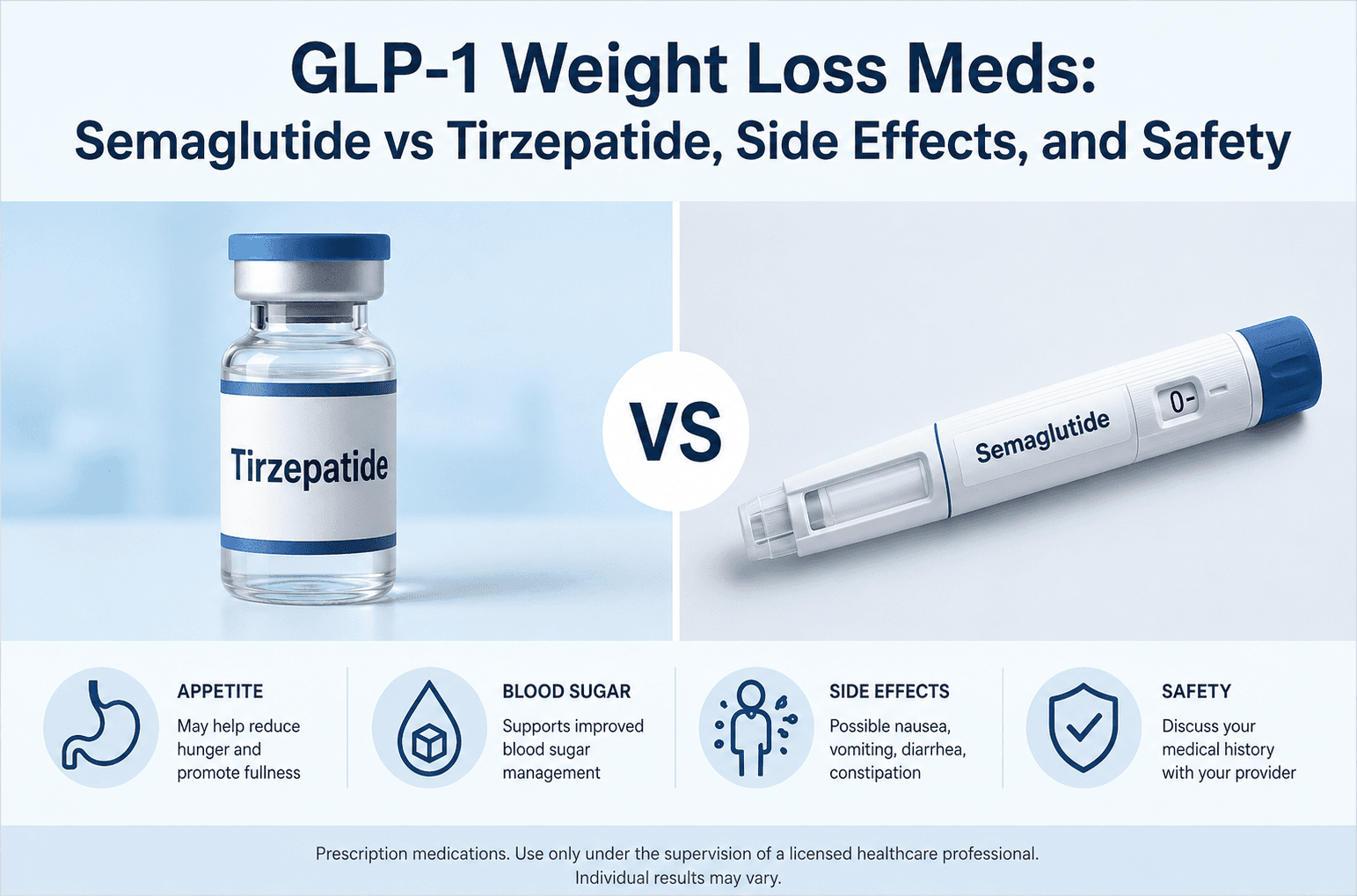
peaks during dose escalation, typically mild-moderate Diarrhea -- 10-20%, usually transient Constipation -- 8-15% Vomiting -- 5-15%, more frequent at higher doses Injection site reactions -- 5-10%, mild erythema and pruritus Decreased appetite -- 5-12%, related to mechanism of action Pancreatitis -- rare but monitored (as with all GLP-1/amylin agents) Gallbladder events -- cholelithiasis reported, consistent with rapid weight loss Trial data describes dose titration as central to tolerability -- the 16-week escalation protocol substantially reduced GI adverse events
Intravenous (IV) Glutathione Therapy Intravenous (IV) glutathione therapy is a procedure that administers the antioxidant glutathione directly into the bloodstream through an IV line
World Health Organ 94 (10), 710710a
This article compares the two peptides along several axes: chemical identity and sequence, the mechanism of ghrelin receptor activation, pharmacodynamic differences, medical validation, and regulatory status











:max_bytes(150000):strip_icc()/Health-GettyImages-2153927815-0bf99cd73e2c46908d7fc0973739f6d0.jpg)