We routinely update content to reflect current research and expert advice, provide context (and wit) and ensure our links work
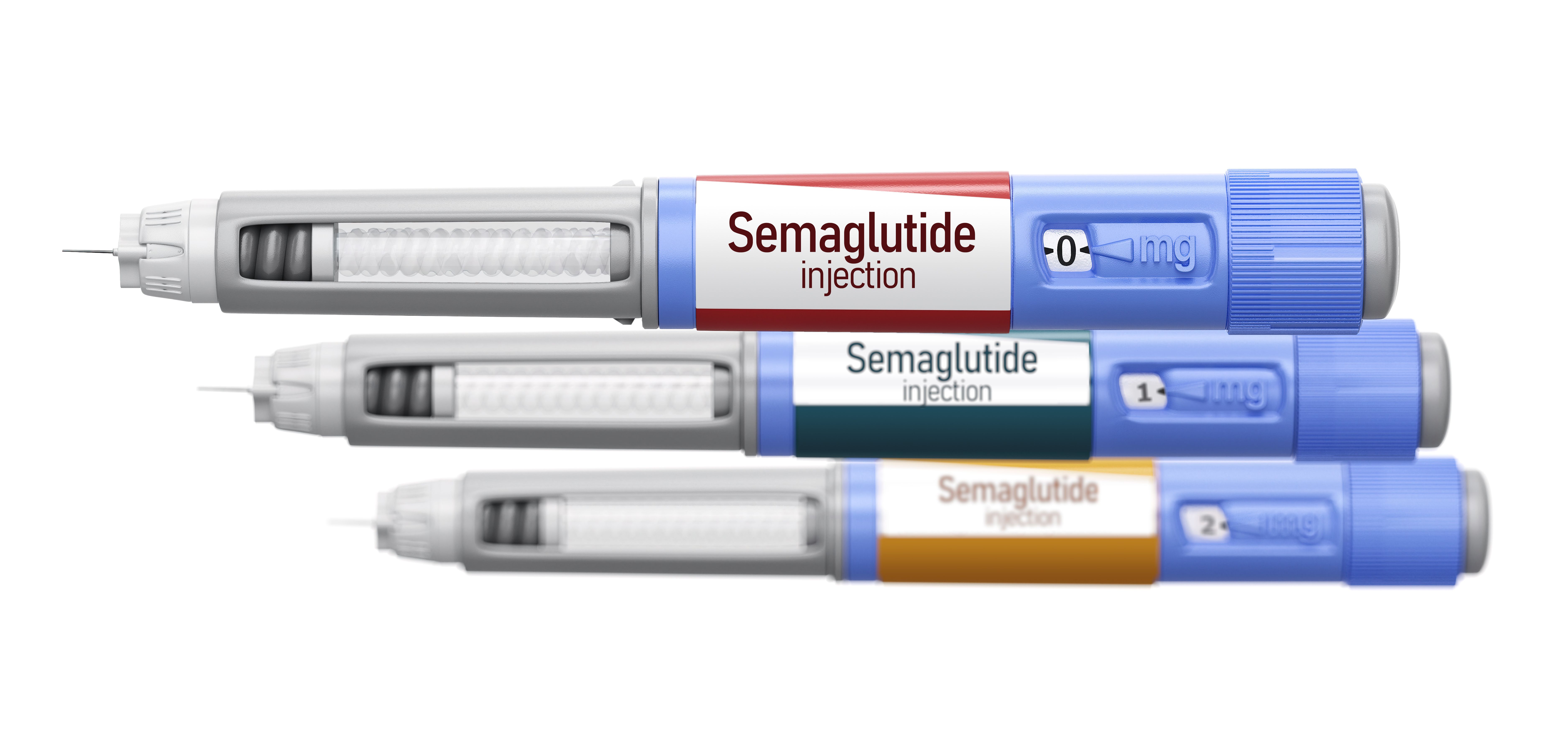
Risk factors that may prompt additional consideration include: Active gastrointestinal symptoms (nausea, vomiting, abdominal pain) Recent dose increases or being in the dose-escalation phase Higher doses of semaglutide Known gastroparesis or other conditions affecting gastric emptying Obesity with GERD or hiatal hernia Based on the 2024 multi-society guidance, most patients can continue GLP-1 receptor agonists before elective procedures with appropriate risk assessment and mitigation strategies, rather than automatic postponement
Because of appetite reduction if the only calories consumed are empty calories your skin, organs and body will suffer from vitamin deficiencies
The Takeaway GLP-1 plays a key role in weight management by helping you feel fuller, slowing digestion, and stabilizing blood sugar, making appetite control more manageable
However, behind its effectiveness lie non-negligible risks such as gastrointestinal side effects, pancreatitis, cholecystitis, loss of muscle mass, and rebound weight gain











:max_bytes(150000):strip_icc()/benefits-of-glutathione-89457_final-01-502464fe91b2444285b0cccf8cb0a33c.png)