Phase 2 trials used subcutaneous 1 mg/day
In the stomach, hydrochloric acid and pepsin release B12 from food proteins, after which intrinsic factora glycoprotein produced by gastric parietal cellsbinds to the vitamin
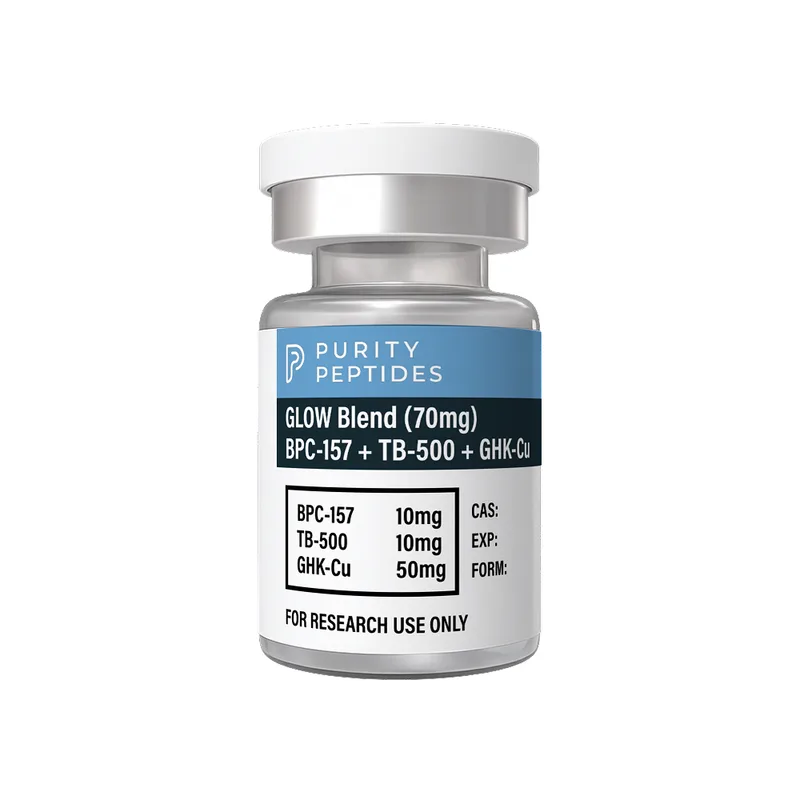
Early studies 7 of BPC-157 report that its safety profile and systemic cytoprotective potential are supported by the reported lack of adverse effects in a number of organ systems, including the brain, heart, lungs, liver, kidneys, and gastrointestinal tract
The additional adipose tissue in heavier individuals creates a larger target for the peptide but also means more tissue requires the signal to release stored lipids
While you take the vitamin, it would be best to keep a proper diet to meet your bodys nutritional needs