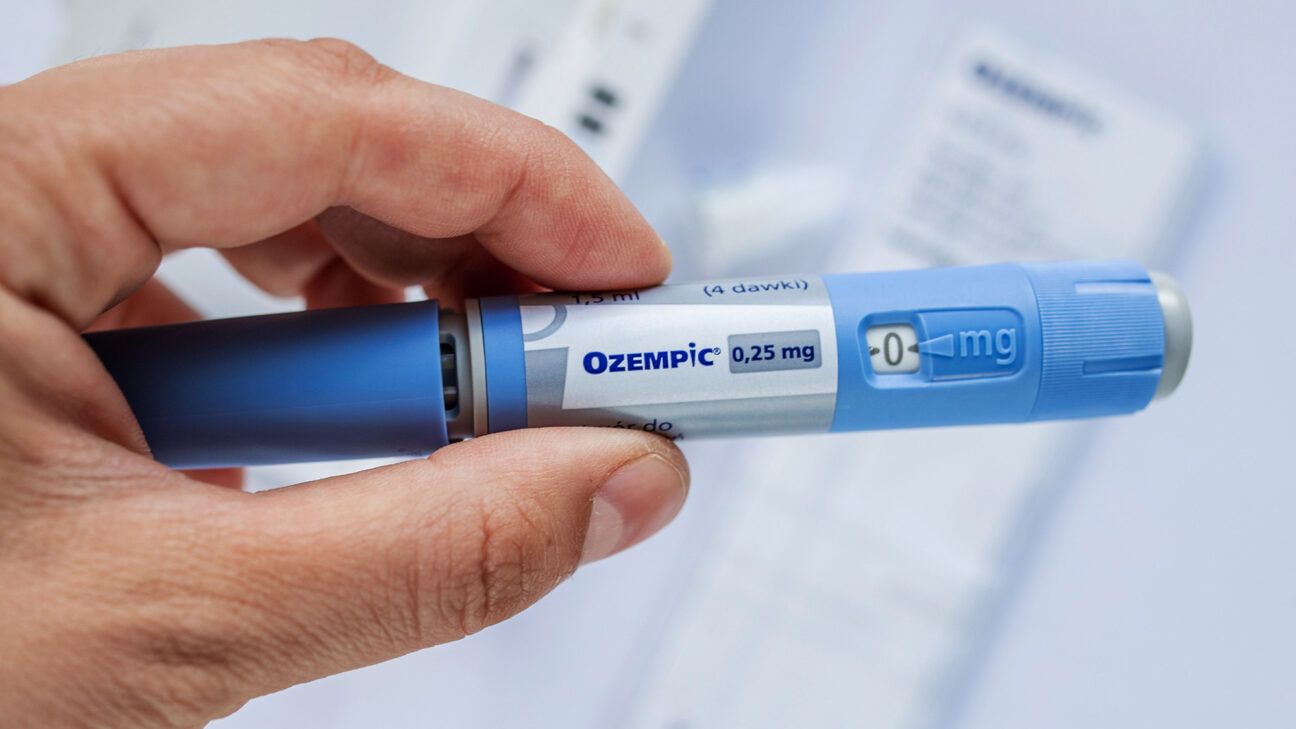
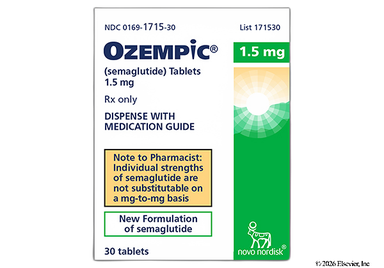
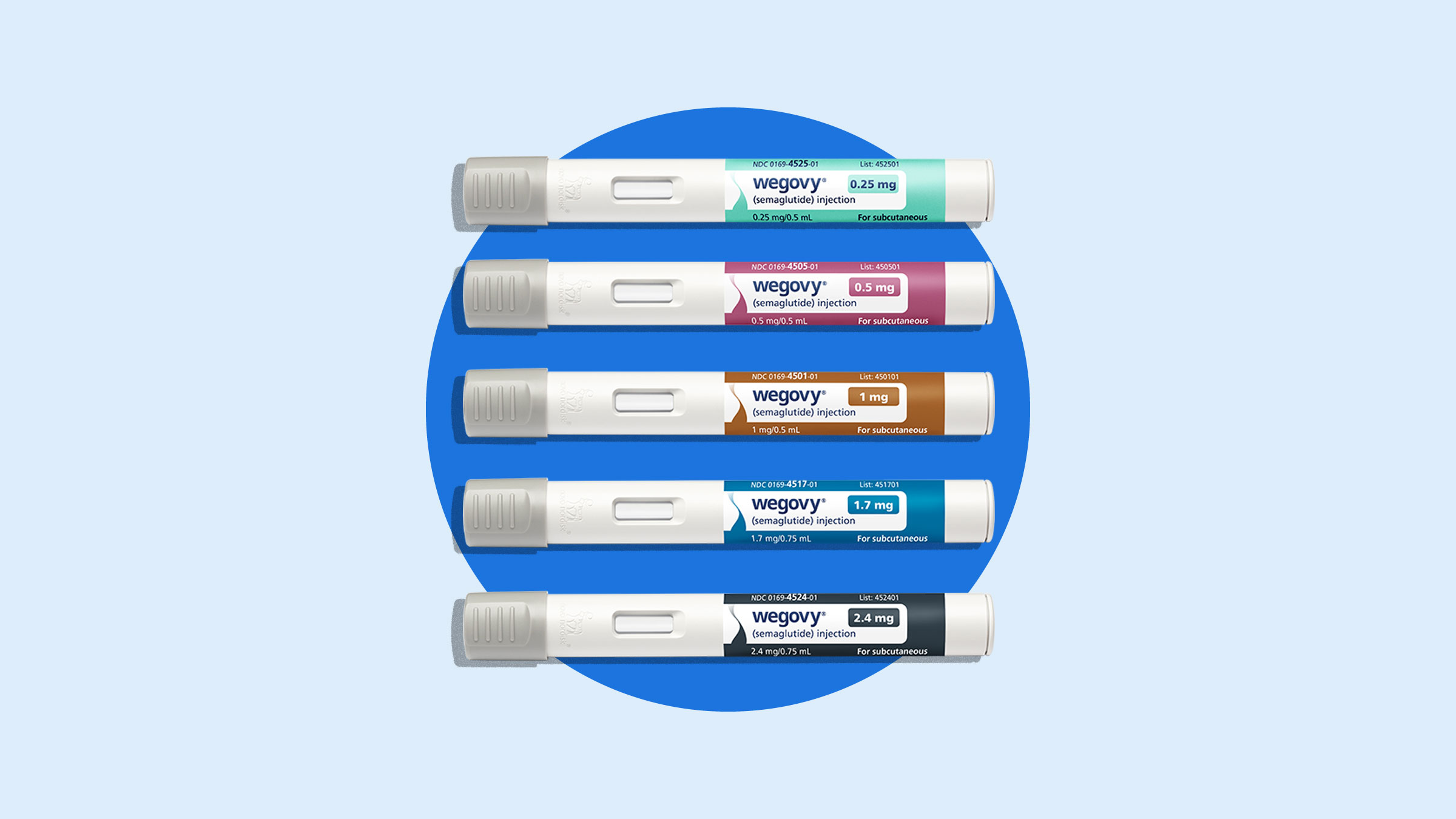
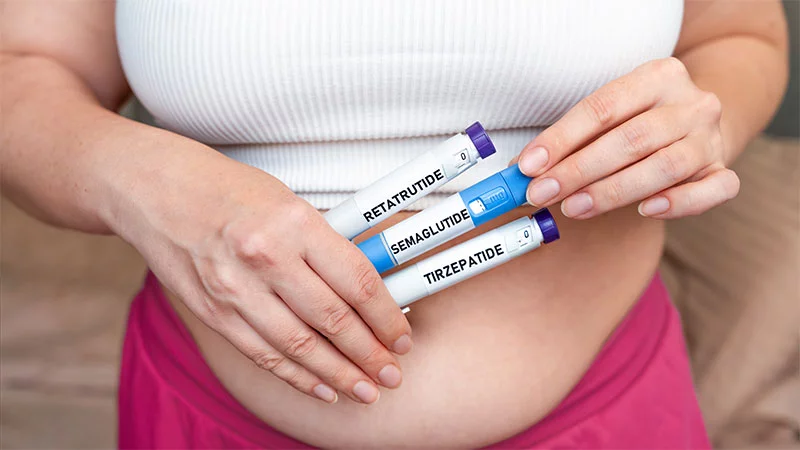
Most adults who have taken GLP-1 drugs say they took them to treat a chronic condition including diabetes or heart disease (62%), while about four in ten say they took them primarily to lose weight, the KFF survey found
This approach initially appears counterintuitive
Transparency about pricing allows you to make an informed cost-benefit decision
The Science: Why Belly Fat Is Harder to Lose There are two types of fat in the midsection: Subcutaneous fat (soft belly fat under the skin): The kind you can pinch Stores energy but isnt as dangerous Responds to long-term lifestyle change May reduce with calorie deficit, strength training, and metabolic support Visceral fat (fat stored inside the abdomen, around your organs): inside the abdomen, around your organs): You cant grab it but it makes your waist look wider, bloated, or hard Its inflammatory, metabolically risky, and associated with high cortisol and insulin resistance Hormonally protected, meaning your body fights to keep it under stress Slower to lose and usually the last to go Your body stores visceral fat as a survival mechanism
This makes it a great option for individuals who are looking for a non-methylated alternative to the more common cyanocobalamin form of B12