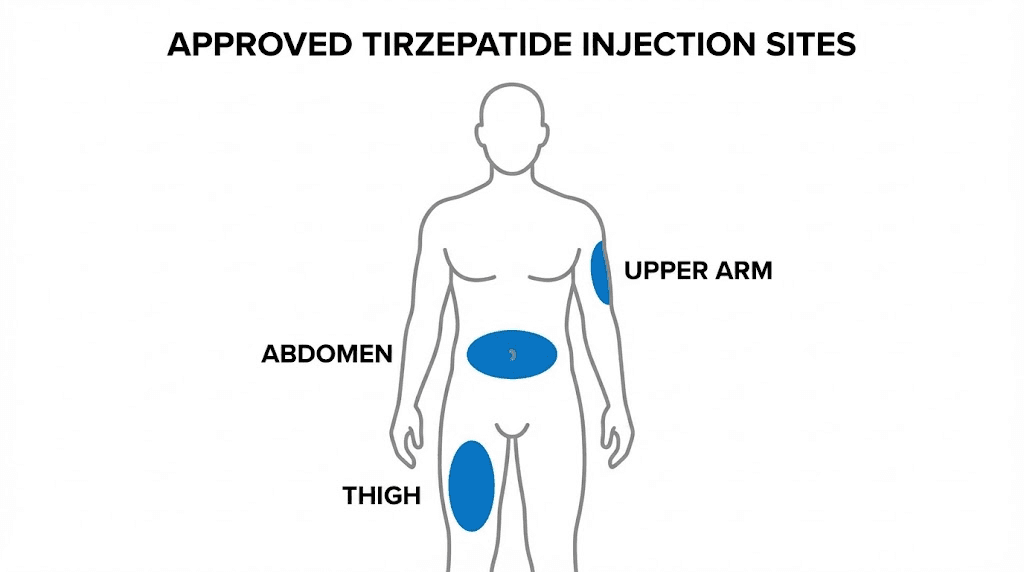
The absorption profile differs slightly, with potentially faster uptake but similar overall bioavailability
Turning our attention to fat metabolism, we see further evidence for insulins critical role
Glucagon-Like Peptide-1 (GLP-1) agonists are a class of medications originally developed for the management of type 2 diabetes
(Cheatham et al., 2023) Side effects of anti-obesity medication Short-term side effects of GLP-1 medications include, but are not limited to: Stomach issues (nausea, vomiting, abdominal pain, or distention) Gastrointestinal issues (diarrhea, constipation, or flatulence) Fatigue Dizziness Runny nose, Sore throat Headache Vision changes Allergic reactions Increased heart rate Depression Suicidal thoughts Though every individual responds to drug therapies differently, in a review of the evidence, the NASM evidence-based review on GLP-1 medications points out that the most common side effects are nausea, constipation, vomiting and diarrhea though a significant proportion of users did not report adverse effects (Cheatham et al., 2023) Do medications for obesity affect body composition
Here are the pros and cons of using GLP-1 antagonists