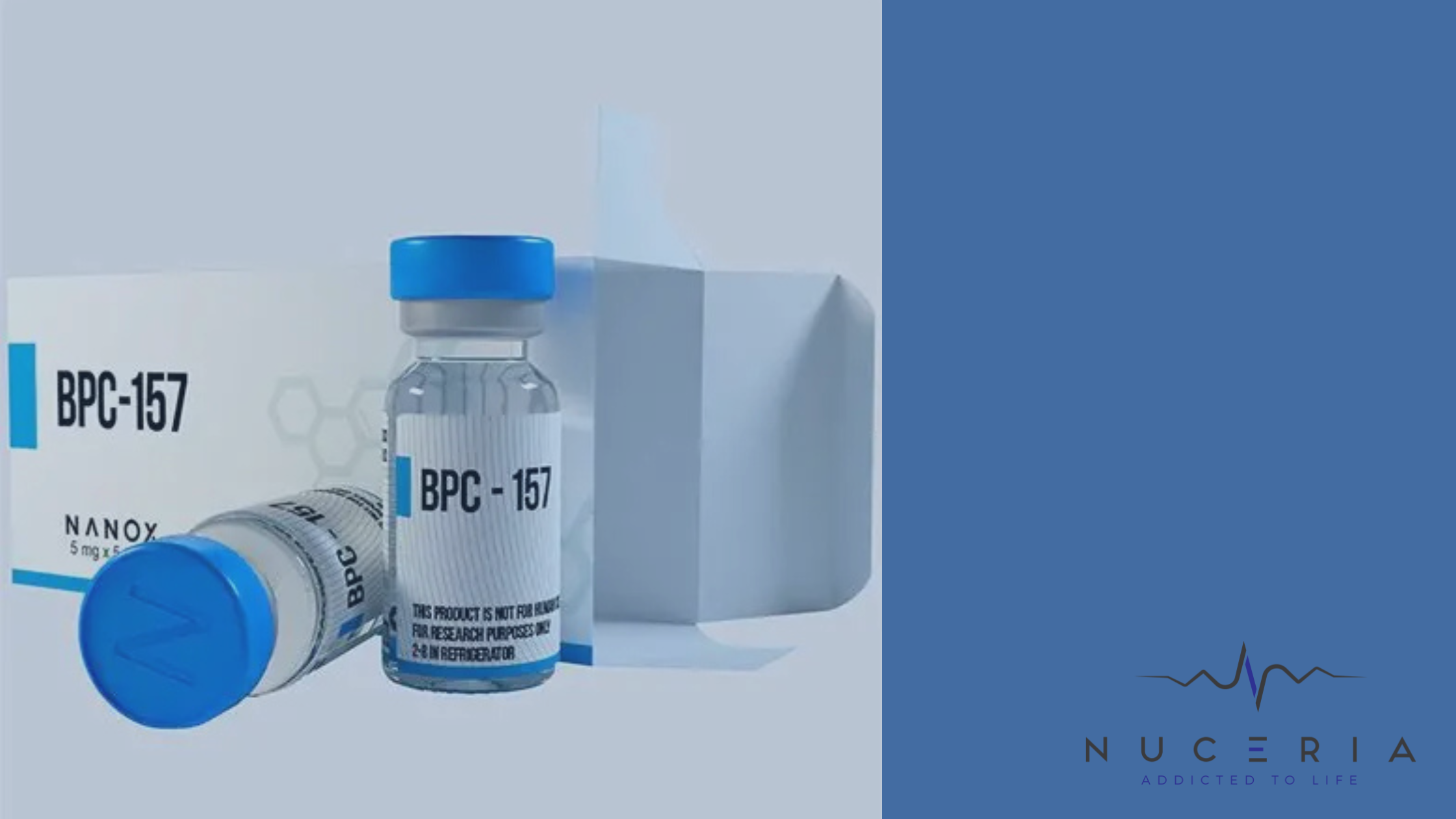
Weeks 1 to 2: Markedly increased appetite within minutes of each injection Improved sleep quality and deeper rest Some users report more vivid dreams Weeks 3 to 4: Faster recovery from exercise and reduced delayed-onset muscle soreness Mild water retention and increased skin fullness Subtle improvement in energy levels Weeks 6 to 8: Body composition changes become more visible, gradual reduction in subcutaneous fat and improved muscle fullness Skin quality improvements, including increased hydration Joint comfort improvements from enhanced collagen synthesis Weeks 10 to 12: More significant body composition shifts with consistent training and nutrition Strength and recovery gains become more pronounced Hair and nail growth improvements are sometimes reported Weeks 12 to 16+: Cumulative benefits reach their peak Appetite stimulation typically remains consistent and does not diminish GH response may begin to plateau

The overall impact of a meal can come not just from the raw materials, but how they are prepared and consumed
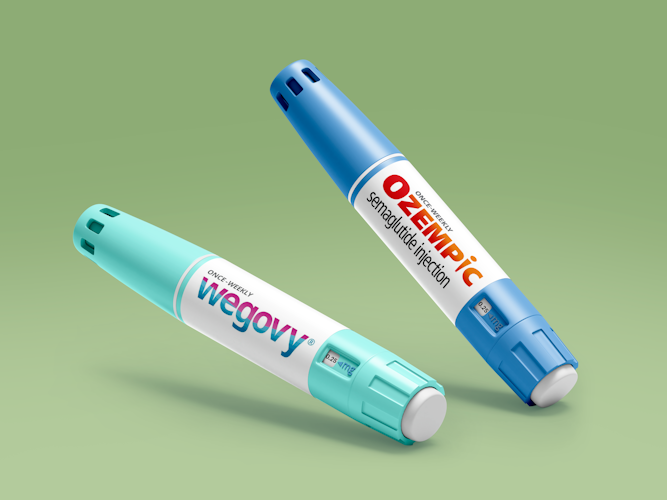
Gastroparesis treatments can include: medications to stimulate stomach muscles and nerves to allow stomach to empty, medications to control vomiting or nausea, medications to relieve pain, medications to treat heartburn, medications to manage blood sugar, gastric bypass surgery (including a partial gastrectomy to remove or close off part of the stomach and gastrojejunostomy to place a feeding tube in the small intestine (jejunostomy tube) to connect the stomach to the middle part of the small intestine (jejunum) while bypassing the first part (duodenum), surgery to place a gastric venting tube to relieve pressure, a pyloroplasty (to relax and expand the muscular valve (pylorus) at the bottom of the stomach that empties food out of it), a gastric peroral endoscopic myotomy (G-POEM), nutritional/diet therapy to make sure the body has sufficient nutrition and is hydrated, among other treatments
Unless you're part of the official trial, you cannot legally access this medication in the UK
In pigs, which are considered tolerant concerning iodine excess, high iodine doses up to 10 mg/kg caused a significant downregulation of NIS in the thyroid gland and, simultaneously, it decreased mRNA expression of clue antioxidative enzymes, such as SOD and GPx, either in the liver or in the kidney or in muscles (target tissues of thyroid hormone action), however without affecting lipid peroxidation [196]
/assets/images/provider/photos/2777578.jpg)