"NACET Supplement vs NAC Supplement Pharmacokinetics and Bioavailability NACET Rapidly absorbed and enters cells more effectively than NAC ([2]) Higher oral bioavailability compared to NAC ([5]) Lipophilic nature allows easier crossing of cell membranes ([6]) NAC Less effective cell penetration compared to NACET ([2]) Lower oral bioavailability compared to NACET ([5]) Antioxidant Properties NACET More efficient in increasing cell viability under oxidative stress ([1]) More effective in increasing intracellular reduced glutathione (GSH) levels ([1], [6]) Significantly increased glutathione content in various tissues, including the brain ([2]) NAC Less efficient in increasing intracellular GSH levels compared to NACET ([6]) Showed benefits when combined with glycine (GlyNAC) in older adults ([3]) Efficacy in Specific Applications NACET Provided better protection against paracetamol intoxication in rats ([2]) Increased GSH levels in rats eyes after oral administration ([1]) NAC No significant improvement in sport performance (mean increase 0.29%, 95% CI -0.67 to 1.25) ([4]) Risk of side effects not significantly different from placebo in sports performance studies ([4]) Potential Limitations NACET High concentrations may inhibit GSH synthesis ([6]) Conclusion Based on the available research, NACET appears to have several advantages over NAC as a supplement

The main research interest is how a short gastric peptide sequence may influence repair-associated signalling across multiple tissue models
One week after NAC treatment was discontinued, hematological indexes began to decline, and the patient received 1.2 g daily IV NAC for one week
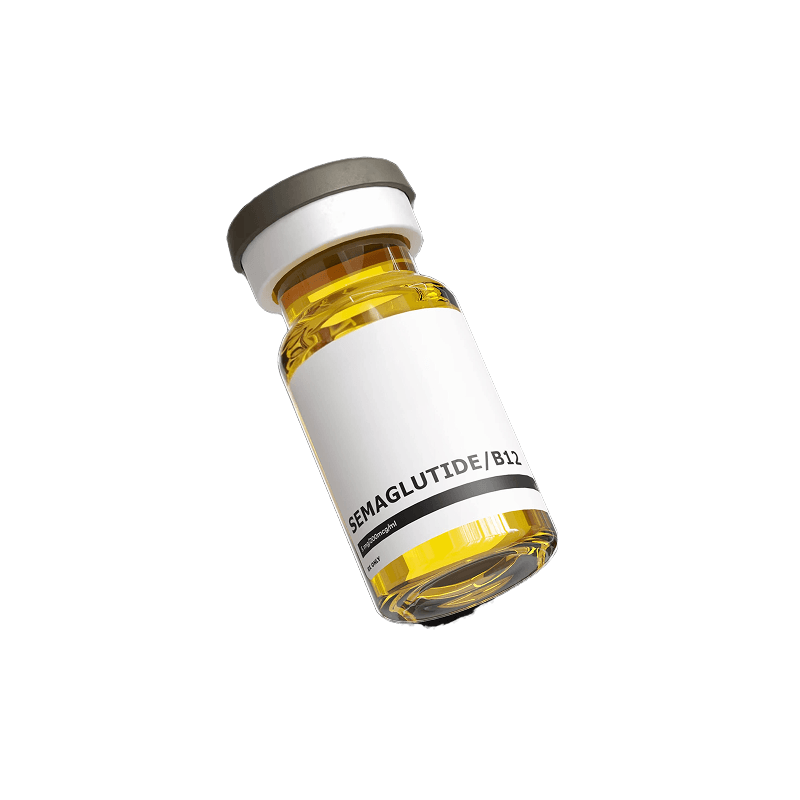
Mechanism difference Semaglutide (GLP-1 agonist): appetite regulation, satiety, improved glycemic control (New England Journal of Medicine) Tirzepatide (GLP-1/GIP agonist): broader incretin effects, robust appetite/weight effects (New England Journal of Medicine) AOD-9604: targeted fat-metabolism signaling
But if you inject less frequently, the ampoules may become out of date